If you feel like God is far away,

ask yourself “who moved?”

Get Admitted

Saturday, July 21, 2018

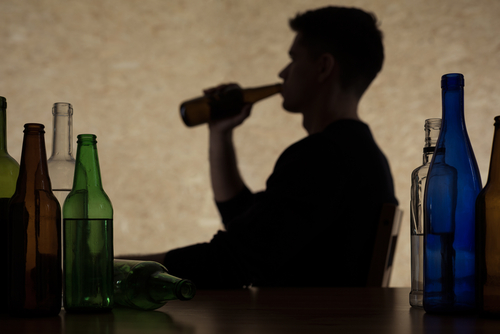
Drinking Too Much Alcohol in America

alcohol use disorder
Addiction is challenging to recover from, particularly when your drug of choice is accessible just about anywhere. Such is the case for a substance that is legal, pervasive, addictive, and harmful to one’s health. Each year, over 88,000 Americans to lose their life to alcohol-related causes; and, more than 15 million adults meet the criteria for an alcohol use disorder.

One of the concerning facets of alcohol use is the fact that many people are not aware that the way they drink is problematic. A lot of people gauge their relationship with alcohol, good or bad, on the way they see their peers drink. People shouldn't form impressions on their use based on what they see with others. What ends up happening, much of the time, is that men and women keep drinking in harmful ways for great lengths of time; dependency, alcohol use disorder, and physical harm is often the result.

Alcohol is ubiquitous and harmful drinking is pervasive in the U.S. It is unlikely that alcohol will ever be replaced as the go to substance for both times of happiness and sadness. With that in mind, we must do everything that we can to educate people about the costs of prolonged, habitual drinking patterns. In every sense, this a matter of life and death.


Nearly Half of Imbibing Adults, Drink Too Much


Young adulthood is typically a time of excess; once children leave home to begin writing their story, they find themselves no longer bound by restrictions. Young adults can make decisions for themselves, including how much or how often they consume alcohol. Many such individuals indulge in their newfound freedoms; in some ways, we can expect that those embracing their twenties will consume copious amounts of liquor and beer. For some, for most for that matter, will let up on frivolous drinking as they get older and settle in with the responsibilities of life, i.e., career and family. But, and for a not small number of men and women, alcohol ends up playing a significant role in their life.

New research suggests that nearly half of the adults in America who drink alcohol, consume too much and they do so for many years, Science Daily reports. Researchers from Boston University School of Public Health found that about 40 percent of U.S. adult drinkers drink in potentially dangerous ways. What’s more, the research shows that 73 percent of high-risk drinkers were continuing to imbibe perilously two to four years later; and 15 percent of non-risky drinkers started drinking harmfully by the end of the research period. The findings of the BU study appear in the Journal of Substance Use.

"Some people just stop drinking too much, but most continue for years, and others not drinking too much will begin doing so during adulthood," says lead author Richard Saitz, professor of community health sciences at BUSPH. "Public health and clinical messages need repeating, particularly in young adulthood. Once is not enough."

Without intervention people are likely to keep drinking in harmful ways, Saitz adds; and, he says that more must be done to interrupt at-risk drinking patterns, according to the article. As an aside, it’s worth mentioning that research appearing in the British Medical Journal this week shows that since 1999, deaths from cirrhosis of the liver rose roughly 65 percent in the U.S. Such deaths are increasing 10 percent a year among Americans ages 25 to 34.


Alcohol Use Disorder Treatment


Harmful drinking patterns can, and often do, result in the development of alcohol use disorder. Without treatment and a program of recovery, the outcome of excessive alcohol use is never promising. If drinking is severely impacting your life, please contact Celebrate Hope at Hope By The Sea to begin a journey of lasting addiction recovery.

Friday, July 13, 2018

Media Giants Address Mental Health

mental health
Perhaps it is a sign that We are finally entering a new era when it comes to handling the stigma of mental illness in America, when mainstream media outlets use their massive following to promote self-care. Mental health has been ignored for too long in the U.S., and most people that are struggling from any one of many mental health conditions feel they can’t talk about their problems. If you think about it, it makes sense; society has looked down upon individuals struggling with conditions like addiction, depression, and bipolar disorder for decades.

When people feel they must hide their problems lest they are treated differently or disenfranchised, it is unlikely they will seek the care that they desperately require. Isolation and loneliness are the lot of the mentally ill, and when there is no one to talk to many are apt to give up altogether. It isn’t a coincidence that people living with mental health disorders are far more likely to engage in self-harming behaviors or attempt suicide.

Suicide was the tenth leading cause of death overall in the United States in 2016, claiming the lives of nearly 45,000 people, according to the Centers for Disease Control and Prevention (CDC) WISQARS Leading Causes of Death Reports. Recently, the world lost fashion designer Kate Spade and celebrity chef Anthony Bourdain to suicide, resulting in a national push to open up the dialogue about mental illness. Tragic losses often lead to steps in the right direction!

Premium Cable and Streaming Services Address Mental Health


Some of our readers probably watch shows on Netflix and HBO from time-to-time. Netflix tackles the subject of mental illness in several of its shows, such as 13 Reasons Why and a host of social documentaries. At the beginning of 13 Reasons Why, season 2, the show opens with a disclaimer about reaching out for help for mental health problems.

HBO released a show last weekend called Sharp Objects; the main character of the show has an alcohol use disorder and engages in self-harm. It doesn’t take long for viewers to understand the show's protagonist Camille Preaker, is battling a mental illness that potentially stems from untreated trauma. The show, which airs on Sunday nights, features an end card disclaimer at the end of each episode, which reads:

“If you or someone you know struggles with self-harm or substance abuse, please seek help by contacting the Substance Abuse and Mental Health Services Administration (SAMHSA) 1-800-662-HELP (4357).” 

Hopefully, young and old viewers alike will feel empowered to reach out for mental health support. Media giants like HBO and Netflix reach millions of homes each day of the week, psychological health disclaimers could give people the courage to ask for help. It takes significant courage to seek assistance, but efforts to erode stigma make it a little easier.


Addiction and Mental Health Treatment


Celebrate Hope is a faith-based addiction and co-occurring mental health disorder treatment center located in San Juan Capistrano, California. We can assist you or a loved one in beginning the life-long journey of recovery. Please contact us for more information.

Friday, July 6, 2018

Alcohol Use Disorder Medications

alcohol use disorder
Alcohol use disorder may not steal as many headlines as opioid use disorder, but the condition is even more deadly. To be clear, any form of addiction requires treatment and a program of recovery; and, in a perfect world, all types of mental illness would receive the attention they deserve. With that in mind, there exists a dire need to develop methods for helping alcoholics abstain from alcohol. While treatment works, and recovery is possible, the risk of relapse is expressly high for multiple reasons; a primary factor being that alcohol is exponentially more pervasive than other addictive substances.

A heroin addict who finds recovery has a pretty good shot at never coming into contact with the substance again provided however that they stay out of environments where the drug is used. Given the legal standing of heroin, it is unlikely in most cases a person will attend a family gathering and see people using the drug; the same cannot be said for alcohol, and whenever a person is close to the substance, cravings are likely to develop. In early recovery, cravings are too much for some people to contend with and a decision might be made to use again.

Beer, wine, and liquor are everywhere! It is challenging to go anywhere, be it a grocery store or a sporting event, and not run into the substance. Unless someone's program is particularly strong, exposure can trigger cravings and cravings can trigger a relapse. While there are a few medications that individuals can turn to, to keep urges at bay or cause sickness if one drinks, none of the available medicines are ideal. Since abstinence is the goal and relapse rates are notably high, researchers are working tirelessly to find a means of keeping cravings for alcohol to a minimum.

Alcohol Use Disorder Medication


Each year, some 88,000 Americans die of alcohol-related causes, according to the Centers for Disease Control and Prevention (CDC); alcohol's death toll significantly surpasses that of opioids. A professor from the University of Rhode Island College of Pharmacy is working to find a medication that can help people recover from alcohol abuse, according to a URI press release. With the help of a $1.65 million federal grant, Professor Fatemeh Akhlaghi, the Ernest Mario Distinguished Chair in Pharmaceutics, is testing a Pfizer drug initially developed to treat obesity and diabetes.

The research centers on a drug that targets ghrelin, a peptide that stimulates appetite and food intake, the article reports. Individuals with higher concentrations of ghrelin are found to have more significant cravings and consume more alcohol. A preliminary study, appearing in the journal Molecular Psychiatry, involving 12 patients using a ghrelin-blocking drug to help curb cravings for alcohol shows excellent promise. A larger placebo-controlled clinical trial is underway to determine the drug's efficacy.

"The drugs that are available to treat alcohol use disorder either came from opioids or other drugs that make you have an aversive effect if you drink, and each of them has only small effects," Akhlaghi said. "The study with the 12 patients shows potential success, although the results are clearly very preliminary and in need for replication. In the new phase, we are looking at the efficacy of the drug. We cannot say this is a cure; we can say it is a promising therapy."

Alcohol Use Disorder Treatment


Please contact Celebrate Drug Rehab if you or a loved one has an alcohol use disorder. Addiction recovery is possible! Help is needed. Support is available. Call Today! (800) 708-3173

Friday, June 29, 2018

Marijuana Use Disorders Affect Many Americans

marijuana use disorder
Thirty-two percent of people who try tobacco, 23 percent of those who try heroin, 17 percent who try cocaine, 15 percent who try alcohol, and 9 percent who try marijuana become dependent, The New York Times reports. There is a prevailing misconception that cannabis use is safe and nonaddictive. While it is true that smoking pot isn’t associated with serious life problems or mal-health, the same way that other substances typically are, the reality is that marijuana is not benign. Those who use the drug frequently and in substantial amounts do experience consequences, are at risk of use disorders, and often require treatment to find recovery.

The truth is that despite America's new-found relationship with weed, there are risks tied to using cannabis. Legal is does not imply safe; alcohol has had a legal status since time immemorial (excluding the brief prohibition), and yet it is one of the leading causes of poor health and premature death. And marijuana, like alcohol, certainly carries the risk of addiction; the fact that the general public should be made aware of as more states consider legalization.

It is worth noting that just because a substance carries the potential for addiction, shouldn’t mean that it is worthy of prohibition. Most adults are aware of the severe damage that the “war on drugs” has wrought on the fabric of society, mainly affecting minorities and the impoverished. Since California legalized recreational marijuana use, efforts are underway to reverse some of the damage caused by prohibition. Still, moving forward people must have the facts so they can make informed decisions regarding their relationship with marijuana.


Marijuana Addiction


It seems like every time Americans go to the polls these days, one or more state lightens their stance of cannabis regulation. The trend we are witnessing is not inherently bad for America, but it is critical that individuals understand the potential effects habitual marijuana use can have on their life—especially young people for that matter. Legalization in California took effect this January; since that time some addiction medicine clinicians in Northern California began seeing a rise in the number of people seeking assistance, The Denver Post reports. Heavy and long-term users can develop physical dependence; and when such people attempt to abstain on their own, withdrawal symptoms can include:
  • Chills
  • Sweats
  • Cravings
  • Insomnia
  • Loss of Appetite
  • Nausea
  • Anxiety
  • Irritability
“There should be no controversy about the existence of marijuana addiction,” avid Smith tells the Denver Post, he is a physician who has been treating addiction since the 1960s. “We see it every day. The controversy should be why it appears to be affecting more people.”

Smith’s theorizes that the marijuana users today are treated to a far more potent substance than in decades past, according to the article. Stronger marijuana, grown with nutrients that bolster the drugs strength and overall quality could explain increasing cannabis use disorder rates.

An estimated 2.7 million Americans are meeting the diagnostic criteria for marijuana dependence, according to the director of the National Institute on Drug Abuse, Nora Volkow.


Marijuana Use Disorder Treatment


If you are struggling with marijuana use disorder, please contact Celebrate Hope at Hope by the Sea. We can show you what is needed for achieving lasting recovery and give you the tools for everlasting progress.

Friday, June 8, 2018

Having Fun Finding Yourself in Recovery

recovery
The stakes of addiction recovery are incredibly high; a wrong turn or wrong decisions can lead one down a path toward relapse. If you are working a program, then you know that there are not any guarantees; in order to achieve lasting recovery, you need to be ever vigilant in the pursuit of progress, not perfection. You pray, go to meetings, take care of your obligations, eat right and get plenty of rest; which are all useful practices for sustaining a program of recovery. Those who make it in the program are people who waive what they want, in service of what they need. Making progress often rests on making sacrifices, it usually depends on doing the opposite of what you feel like doing from one day to the next.

Structuring your life around a recovery routine is instrumental; at a certain point your daily movements become muscle memory, you don’t even have to think about your next right move. When you follow a set of directions long enough, the choreography of recovery becomes part of your DNA, seemingly. However, progress in your life is also dependent on balance; recovery is about far more than going to meetings, doing step work, etc. One must make a point of being a part of the world, getting out there, seeing new things and meeting new people.

Working a program asks that you don’t do anything that can jeopardize your program, but that doesn't mean you should always stay in your comfort zone. People with years of active addiction are often unfamiliar with themselves when newly sober. Many don’t know what their passions are because drugs and alcohol didn’t permit such fancies. Much of recovery is self-discovery; getting to know the person that is You. Early on in the program it is natural to be guarded, to follow every instruction to a T—which is a good thing; and yet, you may find at times that you are taking yourself too seriously; in your quest to stay on track you find yourself hesitant to do anything that involves letting loose.


Having Fun Finding Yourself in Recovery


One of the most significant gifts the program affords is meeting new people from many walks of life. Each of us has a unique story and experiences that we should share with each other. Some of your peers may engage in activities that are foreign to you, if they ask you to go for a bike ride or a paddle board ride consider saying yes before the alternative. Maybe you befriend an artist who invites you to an exhibit or a poetry reading, what do you have to lose by going? After all, only a brief part of your life is in the rooms of recovery; there is a lot to be learned outside.

“Besides, nowadays, almost all capable people are terribly afraid of being ridiculous, and are miserable because of it.” —Fyodor Dostoyevsky 

Now that summer is upon us you can engage in activities that the winter prohibits, depending on where you live of course. Anything you can do to stay out of your head will pay off immensely in the long run. Engaging with your peers may do more to keep you clean and sober than you think. If you are doing the Work and going to meetings, then you are well within your right to get out into the world and have some fun. Explore parts unknown to you, immerse yourself in activities that force you to open your mind; doing so can result in some unexpected transformations and strengthen your resolve for long-term recovery.

Southern California Addiction Treatment


If you are struggling with alcohol or substance use disorder, please contact Celebrate Hope at Hope by the Sea. We can show what you need for achieving lasting recovery and give you the tools for everlasting progress.

Saturday, June 2, 2018

Enough Fentanyl to Kill 26 Million People

fentanyl
Opioid use disorder is a treatable mental illness; those who undergo treatment and commit themselves to working a program of recovery can lead productive lives. While useful forms of treatment are available, many find it difficult to seek help due to the intense cravings typical of opioid addiction. Everything that public health officials can do, must be done, to encourage as many people as possible to seek addiction treatment—the risk of overdose death is notoriously high.

Many of you are probably aware that the likelihood of fentanyl exposure among heroin addicts is exceedingly high. With each year that passes, more and more people succumb to fentanyl exposure, an analgesic that is 100 times more potent than morphine and 50-80 times stronger than average batches of heroin. When people cut heroin with fentanyl, the result is a deadly cocktail. In fact, research shows that fentanyl-related deaths more than tripled between 2010 and 2016.

One of the reasons fentanyl is more prevalent than ever is because cartels in Mexico can synthesize the drug with ease. Drug cartels acquire the necessary precursors from Asia and then chemists south of the border manufacture the hazardous substance. Once in powder form, the drugs is either stamped into pills disguised as highly coveted OxyContin or cut into batches of heroin to boost potency. In either case, opioid users on this side of the border have no way of knowing that the drug they are about to ingest, smoke, snort, or inject contains the presence of fentanyl.

Fentanyl is Everywhere


So just how likely is it that people will come in contact with fentanyl? Highly likely! The drug made the headline once again after a Nebraska State Trooper pulled over a truck hauling 118 pounds of the deadly substance, CNN reports. The U.S. Drug Enforcement Administration (DEA) states that 2 milligrams of fentanyl is a lethal dose; a little math shows that there was enough fentanyl confiscated to kill roughly 26 million people.

"This year is going to be a banner year, a record year in a bad way, in overdose deaths in the United States," said Matthew Barden, an associate special agent with the ‎DEA.

Naloxone is a drug that can reverse the deadly symptoms of an overdose; unfortunately, fentanyl is so potent that it often doesn’t work and people die. When a fentanyl overdose is reversed, first responders often have to give victims multiple doses of the drug. Pharmacies sell naloxone under the name Narcan. Fentanyl is only going to be more prevalent in the coming years. Anyone caught in the destructive cycle of opioid use disorder should seek help immediately and begin working a program of addiction recovery.


Southern California Opioid Use Disorder Treatment


Celebrate Hope at Hope By The Sea can assist anyone struggling with an opioid use disorder. We can help you end the cycle of addiction, please contact us today.

Thursday, May 24, 2018

Recovery Begins With Treatment

mental illness
As May winds down hopefully all of our readers found some time to take part in some of the events involving mental illness. May is Mental Health Month after all, and even in the 21st Century millions of people are reticent to seek help for addiction, depression, and post-traumatic stress disorder. The good news is that mental illness campaigns empower people to take action in service to well-being.

Addiction and co-occurring disorder recovery are vital; the lives of those unable or unwilling to seek treatment are at significant risk. Over time, the symptoms of mental health disorders only get worse; those using drugs and alcohol are also at risk of severe physical health problems, i.e., overdose and liver disease. Raising awareness about the efficacy of mental health treatments is of the utmost importance, people suffering need to understand that treatment is available, and recovery is possible.

Mental illness is paradoxical in many ways, most notably concerning some individuals' resistance to seeking help. Those who are in the deepest depths of despair often have the most challenging time mustering the strength to reach out for assistance. While a person needs just one reason (life) to seek treatment, those living with mental health afflictions adduce scores of reasons (i.e., work, school, and the risk of others finding out) for not utilizing the available clinical services. And yet, paradoxically, without treatment life is in jeopardy; if life is at risk, or ceases to continue, all the explanations for not seeking help are moot.


Recovery Begins With Treatment


At Celebrate Hope, we understand the difficulty in asking for help; the members of our team of skilled professionals know how hard it is to rebel against their condition and disregard the social stigma of addiction and accompanying co-occurring mental health disorders. Those who have a long history of battling psychological illness convince themselves that they are doomed to suffer, some even convince themselves that they deserve what they are experiencing. An objective look at the points above reveals that neither is correct; no one deserves the mental distress, and it is always still possible to turn one’s life around provided one takes action.

If you are living with addiction, there is an exceedingly high likelihood that you meet the criteria for three conditions: major depressive disorder, general anxiety disorder, or bipolar disorder. Such illnesses, like addiction, are treatable and recovery from each is possible for anyone who commits their self to working a program of long-term maintenance. We must stress that successful treatment outcomes rely heavily on treating both the addiction and dual diagnosis at the same time. Addressing one, and not the other, sabotages making headway with either condition.

Mental illness is not something to feel shame about; hundreds of millions of people around the globe have any one of many conditions. Putting it simply, individuals living with mental illness are not alone, and together all can experience the miracles of recovery. Please use Mental Health Month to say no to stigma and take advantage of the help that is available. Let treatment be the catalyst for progress and lasting change.


Dual Diagnosis Treatment


Celebrate Hope at Hope By The Sea can help anyone struggling with an addiction and dual diagnoses, or co-occurring disorders. We can help you end the cycle of addiction and help you manage several co-existing conditions, including but not limited to, eating disorders, depression, anxiety, PSTD, bipolar disorder, and attention deficit hyperactivity disorder. Please contact us today!
CignaAetnaBlueCross BlueShieldUnited HealthcareMore Options/Verify Benefits

Contact Celebrate Hope

Our Christian counselors walk with clients in their journey of recovery and reconnection to God.


Request a Call From Us